
Stucco Waterproofing & Moisture Barrier Systems
The barrier behind the stucco is what actually keeps water out.
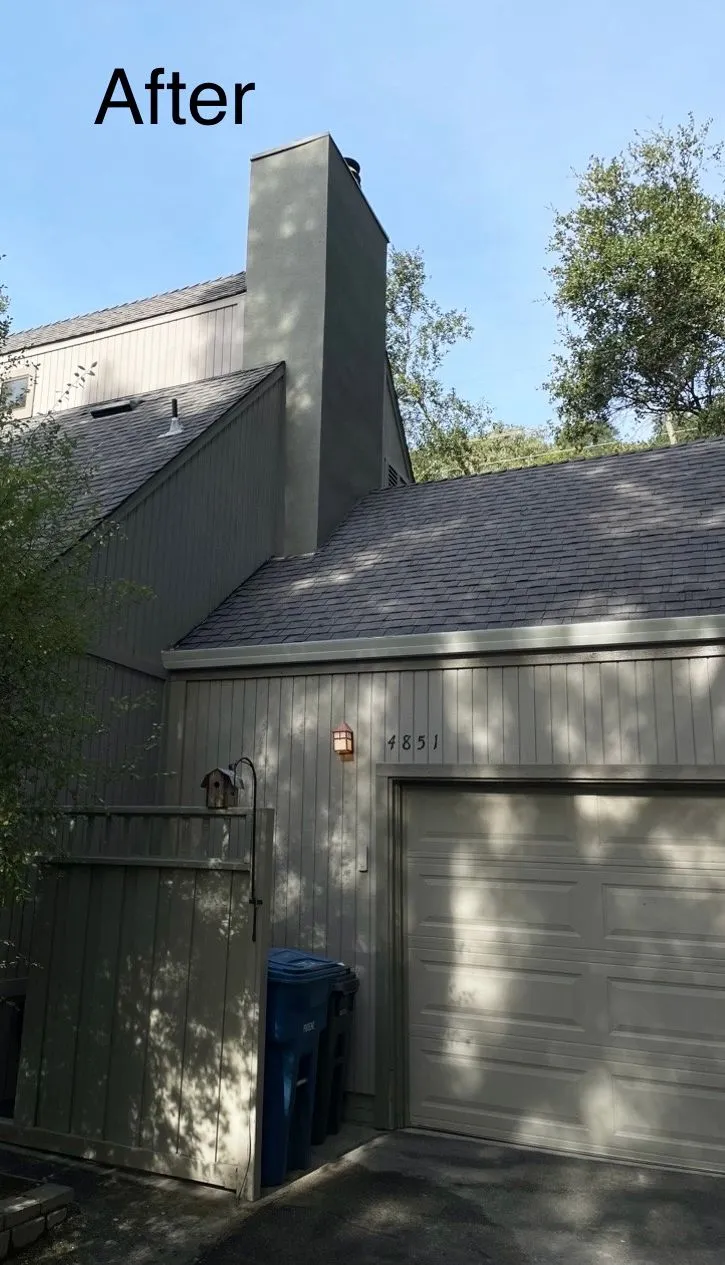
Stucco itself is not a waterproof material — it’s a durable, breathable cladding that sheds most water while the barrier system behind it does the real work. When that system fails, water moves through hairline cracks and unsealed penetrations into framing, sheathing, and interiors. Most of the stucco damage we’re called to repair traces back to a barrier or flashing failure, not the stucco coat itself.
Fogg Construction has spent 41 years in the waterproofing and plaster trades, and barrier systems are the core of that work. We install stucco waterproofing barriers combined with plaster components and modern flashing techniques — building the wall as one integrated water-management system rather than a stack of disconnected layers.
Whether you’re re-cladding an existing home, repairing a known leak, or specifying a new assembly with your architect, we build the moisture barrier, lath, and stucco as a single accountable scope — so there’s no gap between the trade that keeps the water out and the trade that makes the wall look right.
What this includes
Moisture barrier installation
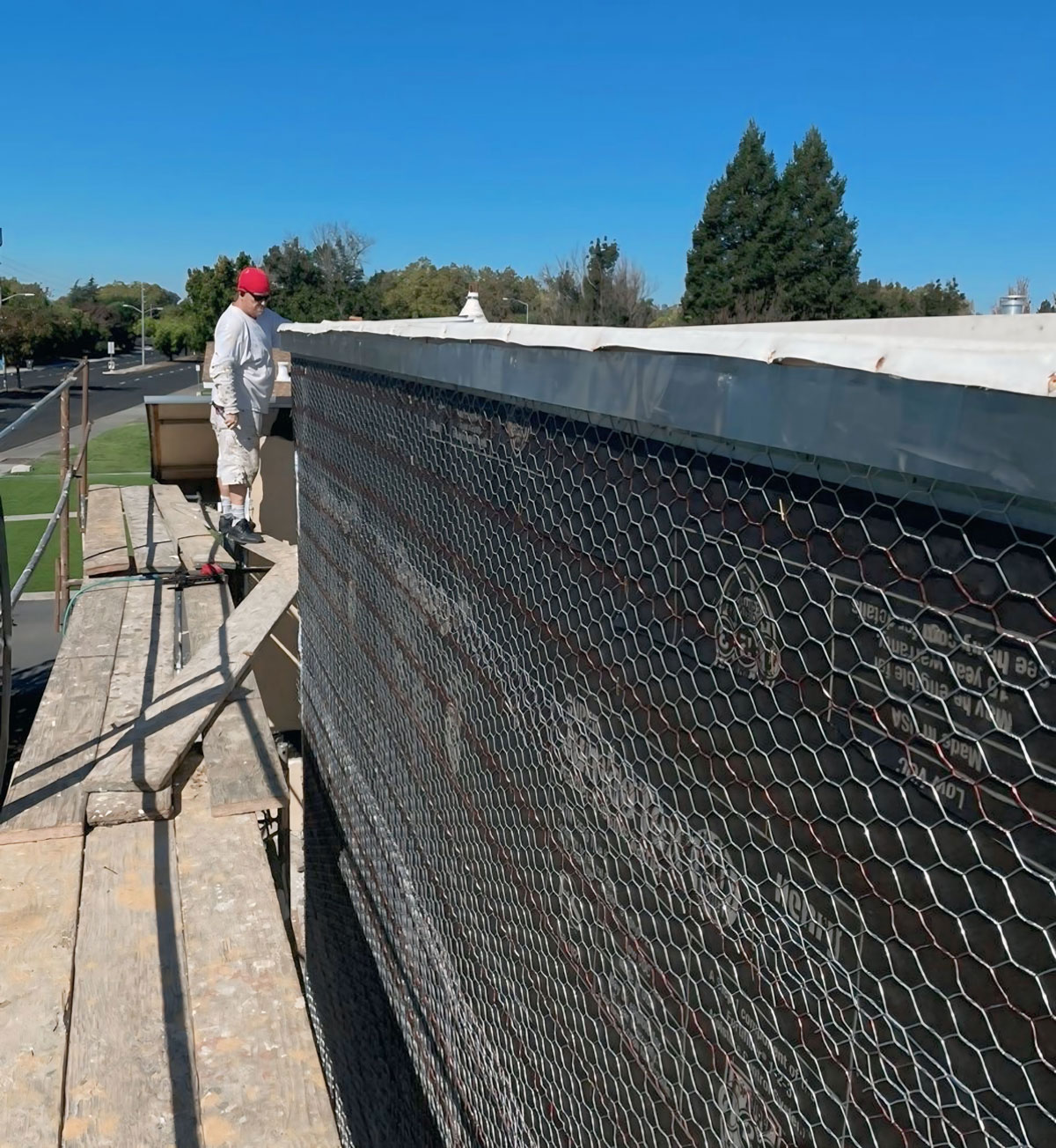
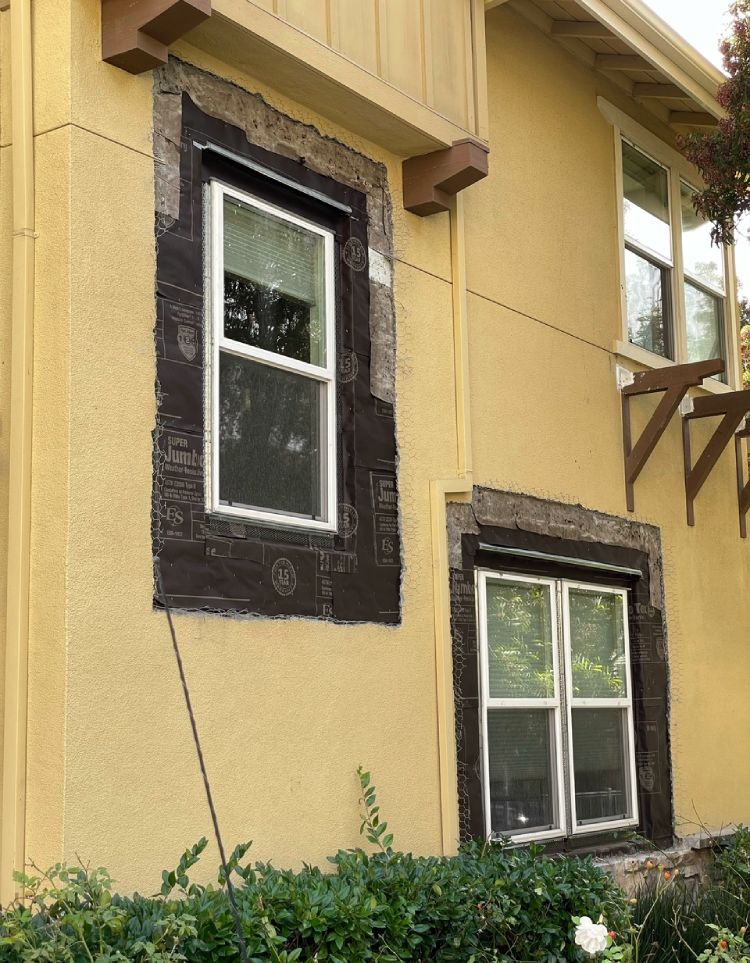
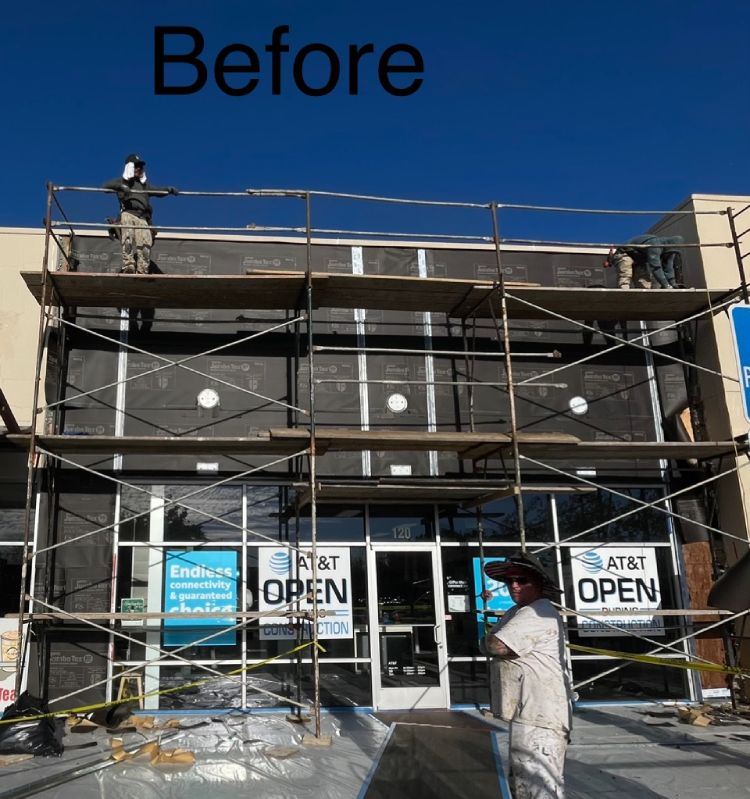
Two-layer building paper and modern barrier membranes installed behind lath, lapped and sealed to move water down and out of the assembly.
Flashing integration
Head, sill, and penetration flashings tied into the barrier in correct shingle fashion — windows, doors, decks, ledgers, and roof-wall intersections.
Leak-driven barrier repair
Targeted removal of stucco at failure points, barrier and flashing correction, and seamless re-stucco that matches the surrounding finish.
Full assembly replacement
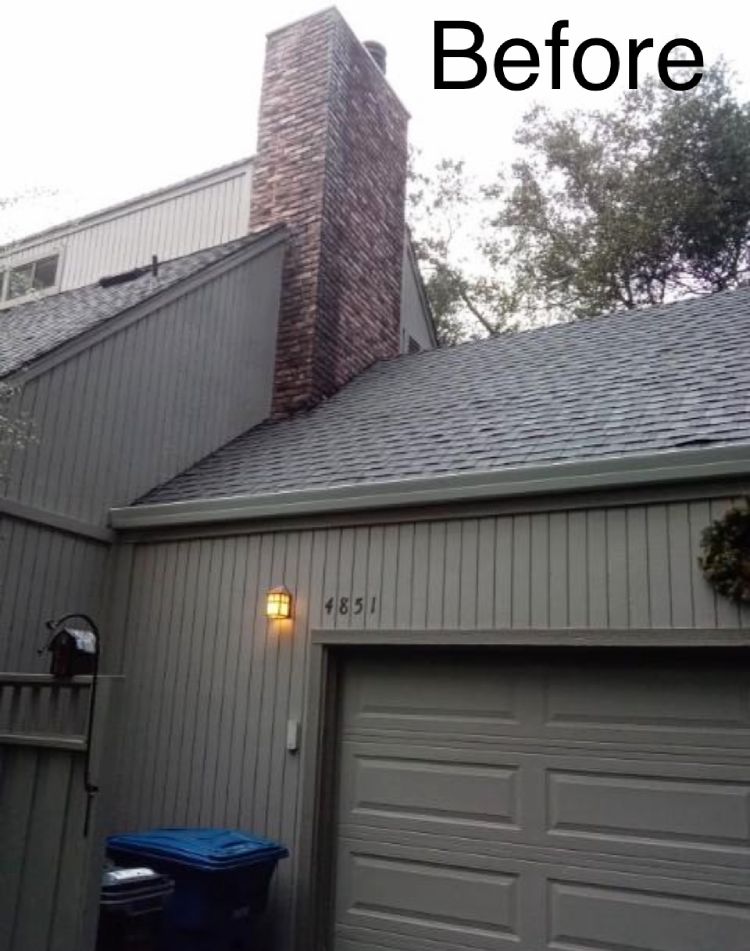
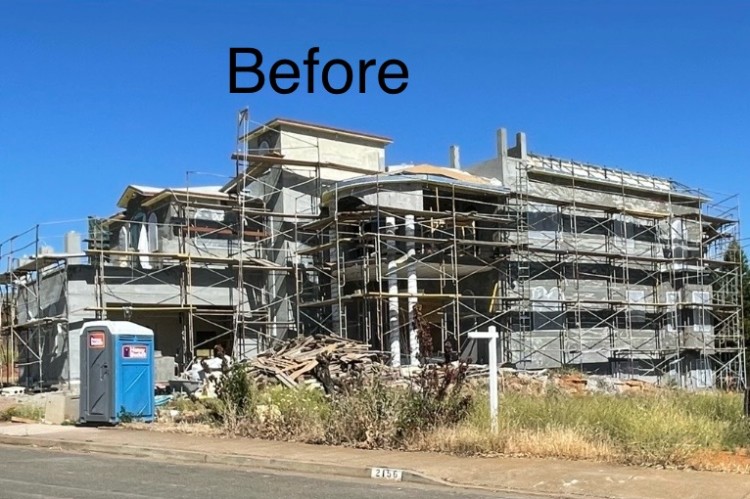
When a wall is past saving, complete tear-off and rebuild: new barrier, lath, three-coat stucco, and the finish texture of your choice.
From the field

Questions homeowners and designers ask
Is stucco itself waterproof?
No — and it isn’t designed to be. Stucco is a hard, breathable cladding that sheds most rain, while the moisture barrier and flashing behind it manage the water that gets through. A sound barrier system is why one stucco wall lasts 70 years and another rots in 10.
How do I know if my moisture barrier has failed?
Common signs include staining on interior walls or ceilings near exterior walls, bubbling or staining on the stucco surface, soft spots, persistent dampness after rain, and cracking concentrated around windows and doors. A moisture-infiltration inspection can confirm where water is entering before any stucco is removed.
Can you fix the barrier without tearing off all the stucco?
Often, yes. When the failure is localized — at a window head, a deck ledger, a parapet — we remove stucco only at the failure area, rebuild the barrier and flashing, and patch the stucco to match the existing texture. Full tear-offs are reserved for walls with widespread barrier failure.
What flashing problems do you see most in the Bay Area?
Missing or short head flashings over windows and doors, deck ledgers bolted through the barrier with no flashing at all, and penetrations (vents, hose bibs, light fixtures) sealed with caulk alone. Wind-driven rain exploits all three.
Are you licensed for this work?
Yes. Fogg Construction holds CSLB License #844981 with both B (General Building) and C35 (Lathing & Plastering) classifications, and is licensed and insured. Waterproofing and stucco are our core trades, not a sideline.
Related services
Ready for an honest read on your stucco waterproofing project?
Free written quotes, scaled to what the building actually needs — never the worst case.